From Soggy Shoulders to Show-Stopping Arms
Arms! You’ve got them, I’ve got them, and yet the moment we start dancing… boom! Something changes and it feels like we have no idea what these alien sausages are doing on the sides of our body. Suddenly all feels unnatural — and here come our old friends: soggy shoulders, shrimp position, pigeon claws.
But what if I told you that expressive arms could transform your dancing instantly?
I’ve spent over two decades dancing, performing, and teaching jazz dance around the world, and I’ve become known for my work in solo jazz: choreographies, style, improvisation and my way to create expressive arms in solo jazz
In this article, I’m going to share with you 3 secrets to unlock your arms and turn them into the most beautiful, expressive tools of your solo jazz dance. And if you stick around, I’ll also invite you to a full class where we’ll dive even deeper.
Let’s go!
Why Arms Matter in Solo Jazz?
Here’s what I want you to know: the periphery of the body — your arms, hands, head, and feet — creates the final impression of your movement.
Your arms complete the shape, rhythm, and emotional tone of your dance. They are storytellers, rhythm amplifiers, and emotional underliners.
Think about it:
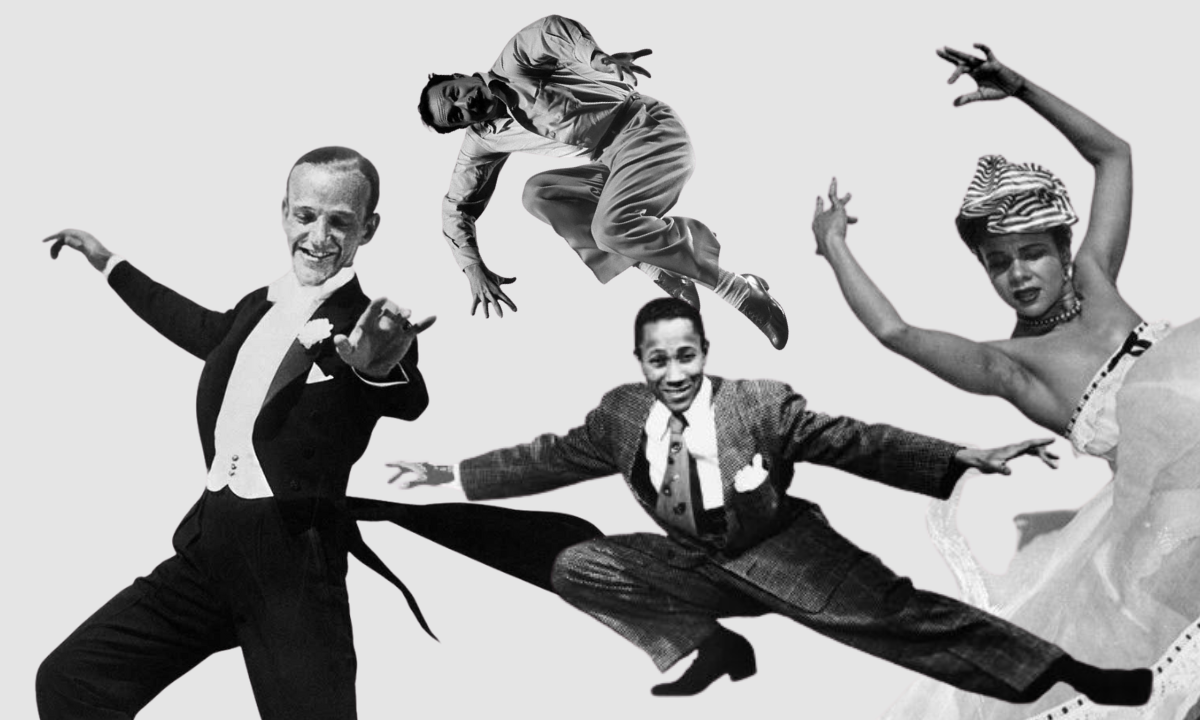
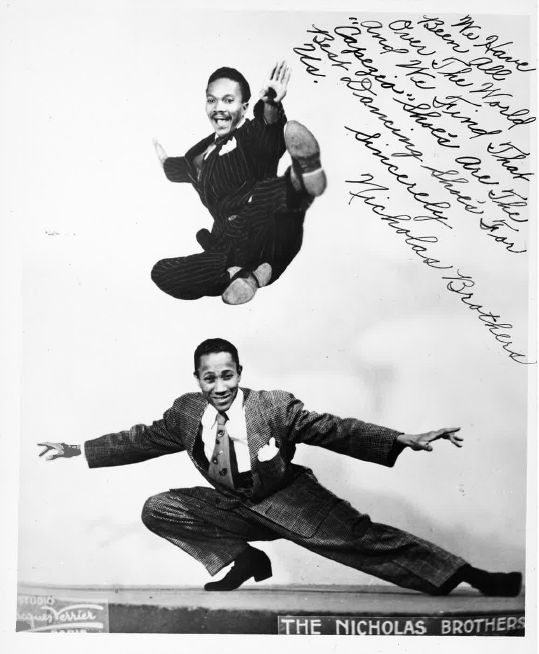
- The Nicholas Brothers — their arm work is as impressive and flashy as their footwork. Each move is accentuated, directed, percussive. If I gave their arms a character name, it would be the director of an orchestra.
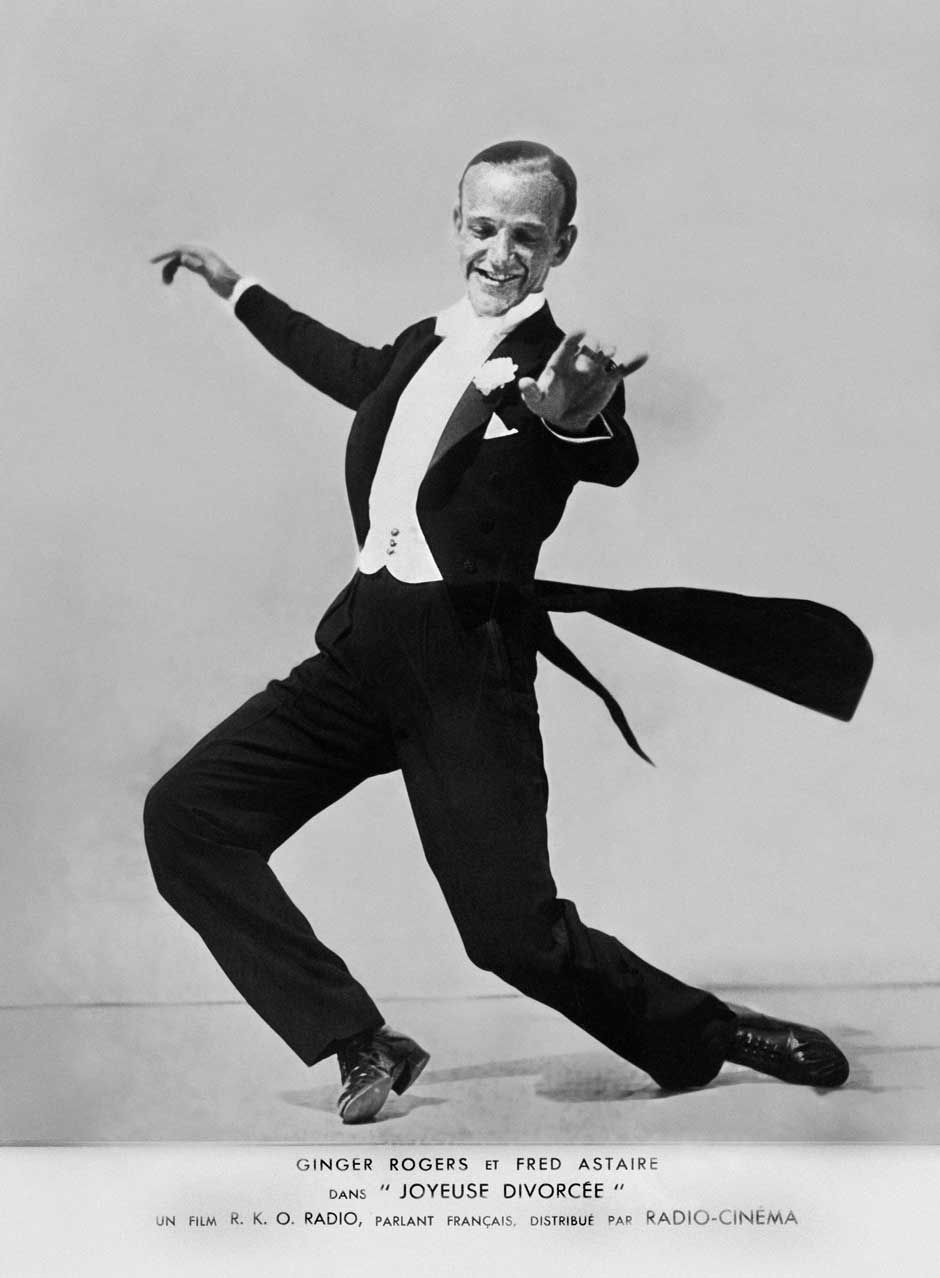
- Fred Astaire — his arms flowed like silk. He once said, “The hardest thing about dancing is making it look easy.” His arms were part of that effortlessness.
- Al Minns — playful, joyful, almost childlike. I’d call his arms Charlie Chaplinesque.
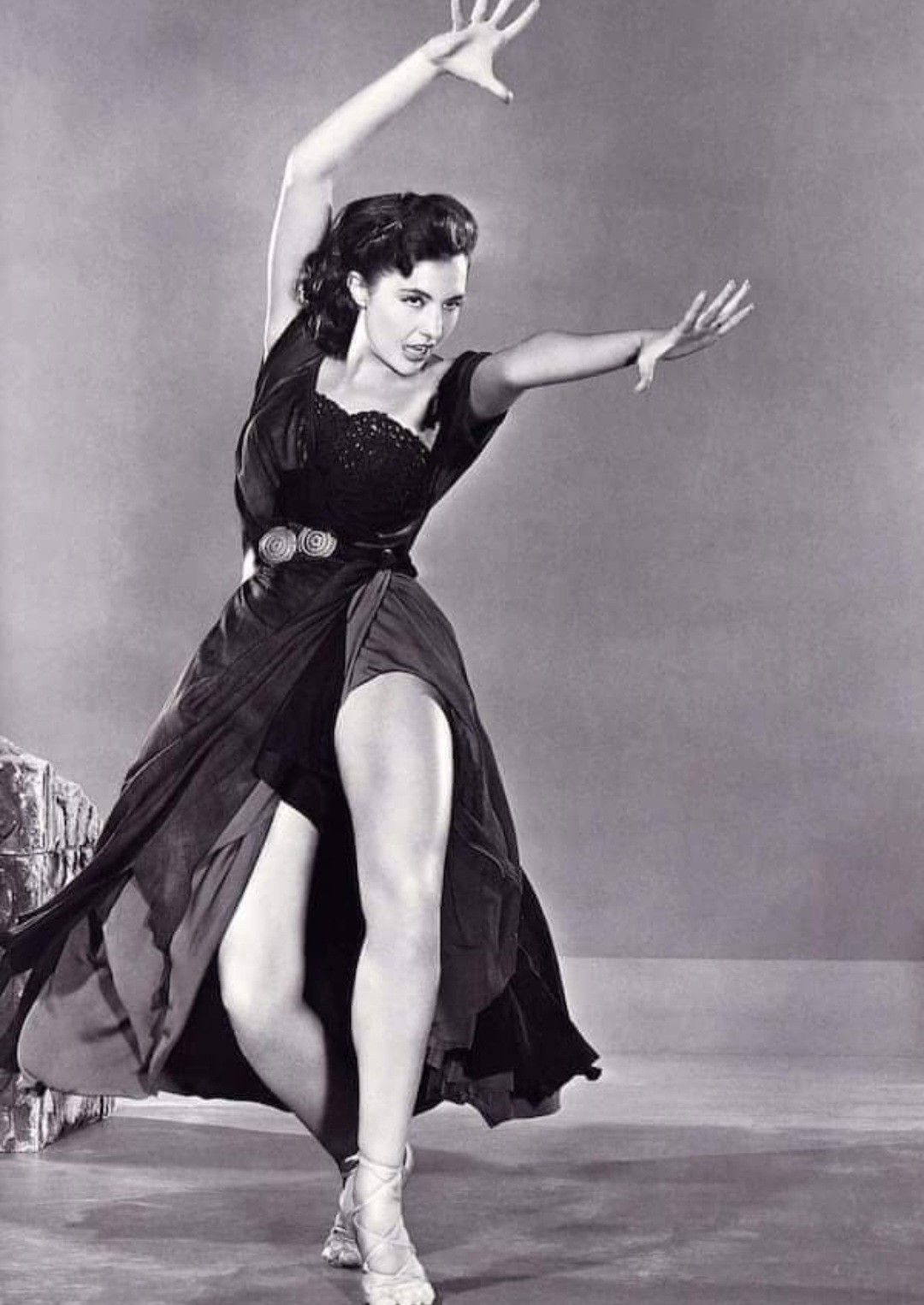
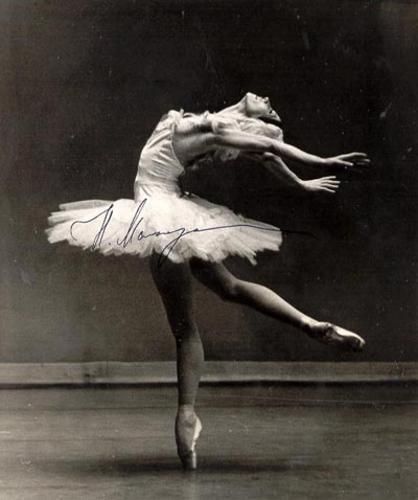
- Maya Plisetskaya — her arms weren’t just limbs, they were characters. As the Swan, you believed she was a swan. As Carmen, her arms and feet became a revolver. She knew the power of intention in movement.
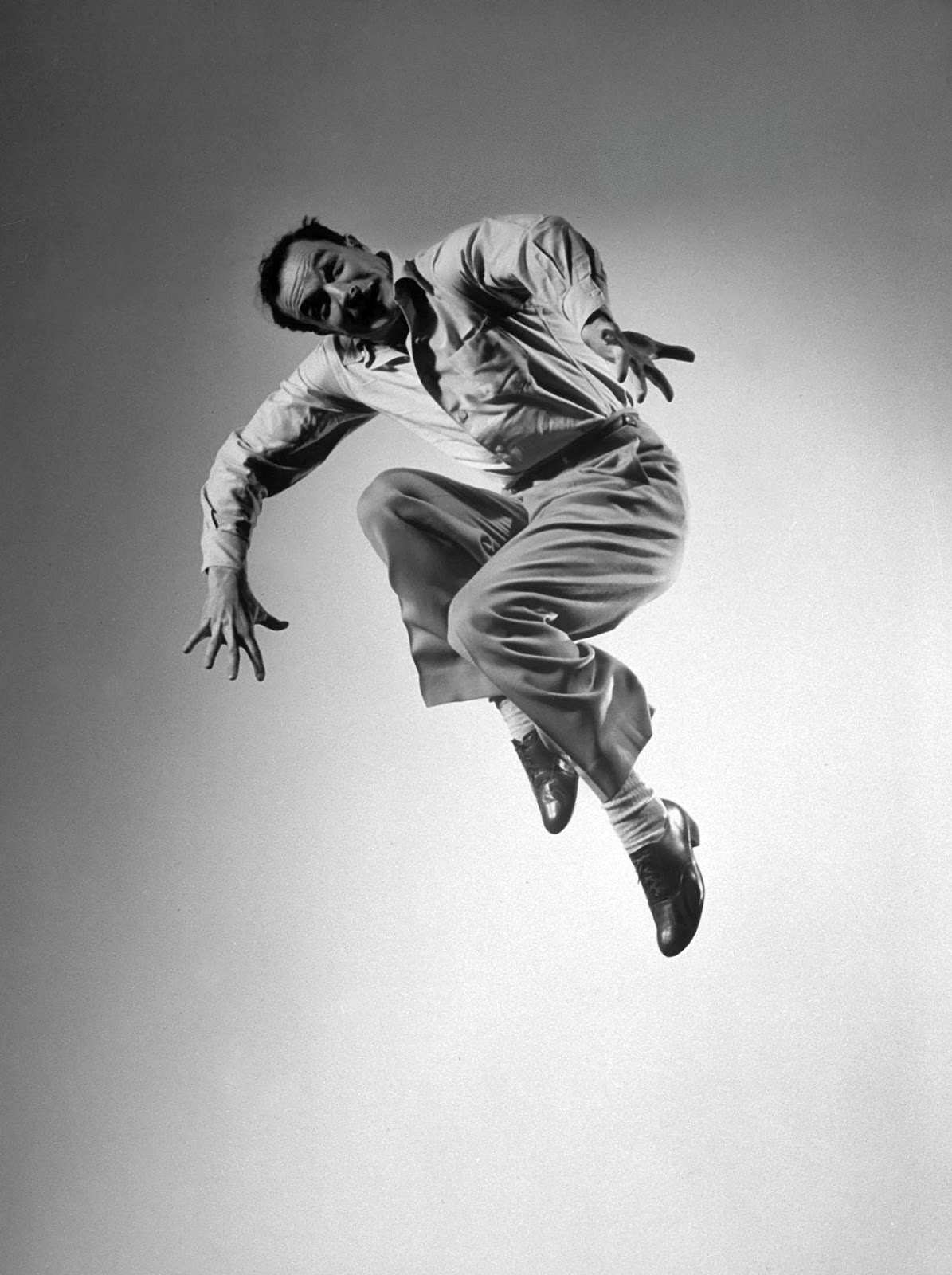
- Irvin Lluis — bebop dancer with lightning-fast, expressive arms. He treated arm work like footwork. He once told me: “Think arm work first, then footwork. Arms can direct your feet and inspire movement.” He also said that playing with arms slows down the mind — you can’t afford to be frantic, even if the music is fast.
All these artists knew this: what you do with your arms changes everything.
My Personal Story – From “Dead Hands” to Jazz Arms
When I first started filming my practices, I noticed something awful: my arms were lifeless. My fingers were curled into little fists, like I was holding invisible stress balls.
It looked stiff, small, and… dead. I was holding in a lot of energy and expression without realising it.
So I made a choice: to focus only on my arms.
I experimented — what if I focus on my wrists? My elbows? My shoulders? I isolated every single part, played with it, and asked myself: What do I like? What works for me?
This exploration changed everything. Suddenly, dancing wasn’t just about my feet — my attention travelled through my whole body, from the inside out.
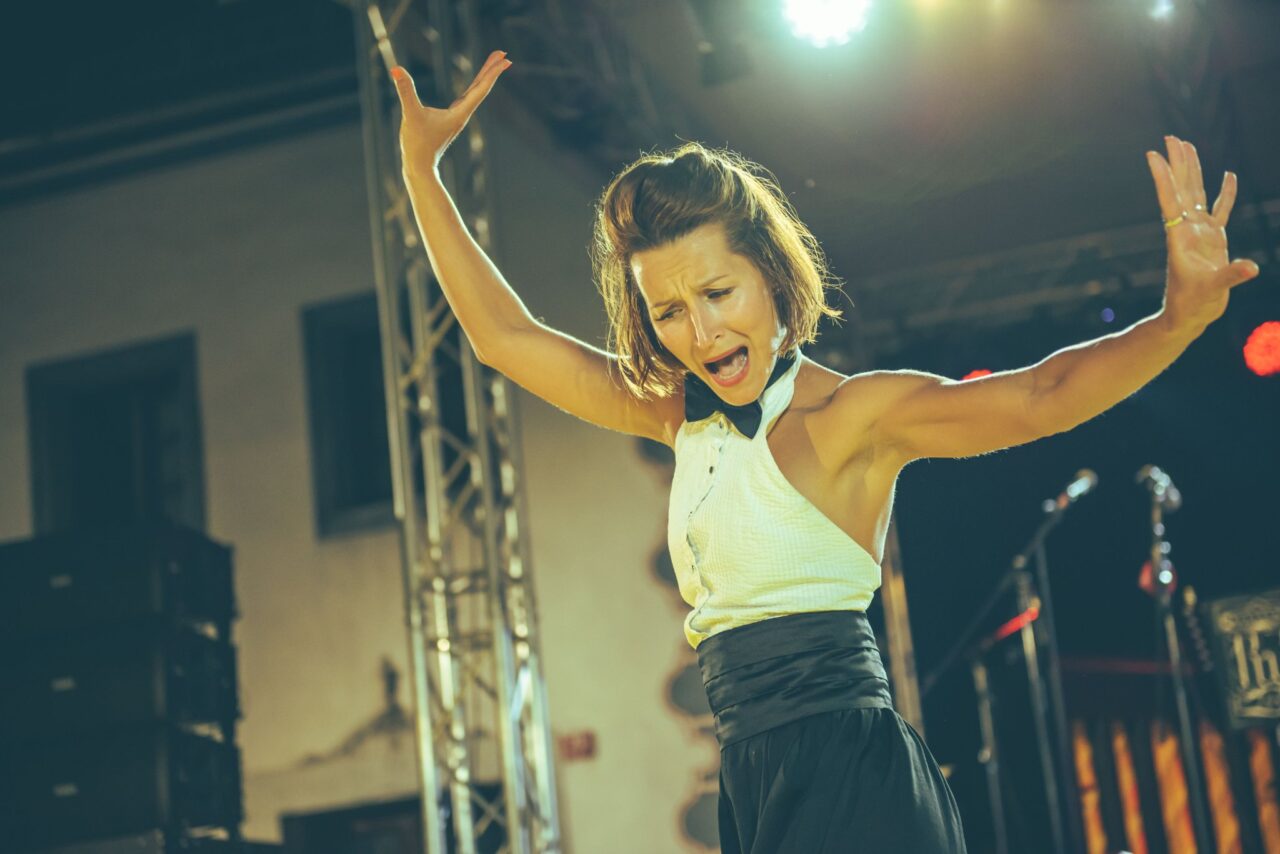
Out of this exploration came my course Jazz Arms — a deep dive into creating arms that aren’t just beautiful, but expressive. Arms that tell stories, amplify rhythm, and make people feel something.
Bonus Tip – Shoulders: The Gateway to Expressive Arms
Your shoulders are the foundation. If they’re stiff, your arms can’t flow.
If your shoulders are rolled too far forward, soggy and closed, you look and feel tired. You’re closing your chest — the sun of your solar plexus, your heart.
Start here:
- Open your ribcage
- Breathe deep
- Move your shoulders
- Give yourself a quick shoulder massage
When your arms feel like they’re growing from your heart — like a brother and sister, connected — then you’re ready to work on expressive arms.
3 Secrets to Expressive Arms in Solo Jazz
1. The Finger Orchestra
Think of your fingers as the musicians and your hand as the orchestra. Each small articulation adds life and precision.
2. Action Arms
Expressive arms aren’t just shapes — they’re actions. Arms look alive when they have purpose.
Think verbs: push, pull, gather, throw, reach, toss.
👉 Tip: Pick a move and add an action. Instead of just swinging your arm, imagine gathering the music. Instead of lifting, imagine throwing the beat into the air.
3. The Eye of the Palm
This is one of my favourites. Imagine there’s an eye in the center of your palm. Where does it look? How does it see the space?
Closing the palms closes communication. Open them, direct them, let them see and express.
Watch the tips here:
Don’t Be Satisfied with Average
Solo jazz has its ‘agreed upon’ ways of using arms — but jazz is about expression and discovery. Imitate to learn, but don’t imitate to become a copy.
Sometimes it’s as simple as combining inspirations:
- In my Broadway choreography, I borrowed arms from African dance and blended them with swing dance.
- In my collaboration with contemporary dancer Aina Lanas, we fused vogue and waacking with solo jazz.
Take what inspires you and make it yours.
The Secrets to Arms Is In Your Body
One of the most frequently asked questions by my students is: “How do I improve my posture and arm movement in dance?” Solo jazz and swing dance styles are often seen as footwork-driven, leading dancers to focus primarily on where their feet land, on what beat, and how to execute precise rhythms. But in doing so, many overlook one of the most essential aspects of dance—the upper body.
Enjoy this full free class
4 Keys to Improve Your Arm Position & Posture in Solo Jazz
Want to Master Expressive Arms in Solo Jazz?
Do you ever wonder:
- What do I do with my arms when I dance solo jazz?
- How do I make my arms expressive instead of stiff?
- How can I coordinate my arms with my footwork?
- What’s the secret to beautiful arm lines in jazz dance?
If you’ve asked yourself these questions, the course Jazz Arms course is for you.
Ksenia Parkhatskaya is one of the world’s most recognised solo jazz dancers, celebrated for her 1920s Charleston and expressive arm work. She has performed, taught, and inspired audiences in more than 35 countries, with viral dance videos reaching over 200 million views. Her career includes collaborations with the Paris Opera Orchestra, appearances on “So You Think You Can Dance,” and performances at jazz festivals worldwide. Drawing on decades of training and performance experience, Ksenia helps dancers transform steps into full-body expression, unlocking individuality and artistry in every movement.
In this step-by-step online program, you’ll discover how to bring expressive arms in solo jazz to life—so your upper body moves with confidence, rhythm, and style. We’ll cover:
- Posture & Shoulder Freedom – the foundation for fluid arm movement
- Arm Shapes & Gestures – from elegant lines to bold, rhythmic actions
- Storytelling Through Arms – using your hands and arms to communicate emotion
- Examples from the Greats – Nicholas Brothers, Fred Astaire, Maya Plisetskaya, and more
- Full Guided Practices – every lesson ends with me dancing alongside you
This isn’t just about pretty shapes—it’s about arms that feel alive and make your dancing unforgettable.
Join and transform your arms into one of your most expressive tools in solo jazz!