My 6 Golden Rules for Teaching Solo Jazz
Have you ever wondered how to run a solo jazz class that keeps everyone moving, smiling, and coming back for more? Whether you’re already teaching or dreaming of starting, this blog is for you!
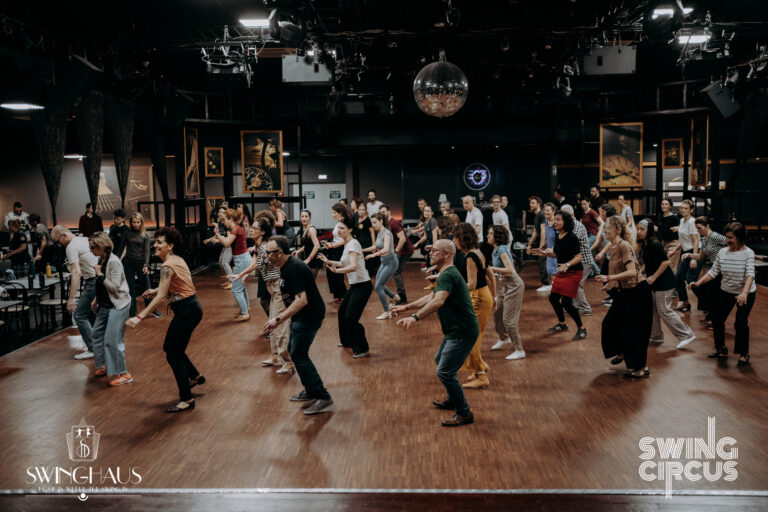
I’ve been teaching solo jazz for over 12 years all over the world and 10 of those online through my school, Secrets of Solo. I’ve taught every kind of formation you can imagine: from intimate progressive classes where I could see every face, to 150 dancers filling a festival floor.
Over time, I’ve learned what works, what doesn’t, and how to create classes that flow where students learn, connect, and leave inspired. These are my golden rules for teaching solo jazz, shaped by years of trial, error, and joy.
Rule #1: Teach Through the Body First
I believe that dance learning should begin with the body, not the head.
It’s tempting to explain everything in detail, but over-intellectualising can disconnect students from movement.
Dance is not mathematics — it has to be experienced through your muscles, through your body.
For some people, asking questions about theory or numbers is actually a way to avoid moving, maybe because the body feels vulnerable or they’re afraid to make mistakes.
So in my classes, even if I offer numbers or counts, I immediately encourage people to try it in the body.
Of course there are cultural differences. In some cultures (like Northern Europe), people tend to process through words first, then movement. In others (like Senegal), the body leads — the learning is physical, immediate, and embodied. Somewhere in between is a middle ground.
When teaching Solo Jazz, I aim to get students moving first, once they are experiencing the movement I offer short verbal cues to help them fine-tune what they’re already experiencing in their bodies.
Rule #1a: Show, don’t tell.
Again, through the body. If you can show it, instead of saying it – show!
Often I would show people two options, let them watch and tell me which one they prefer or which one is the “correct one”.
I demonstrate the rhythm, the shape, the feeling — and get people doing it right away. The body understands faster than the brain can translate.
Rule #1b: Let people sing & scat out loud
My moto is: If you can sing it, you can do it!
Whenever possible, I sing or scat instead of counting (“ba-da ba-da ba-da!”) because sound and melody carry the groove in a way numbers never can. It connects the movement to the music instantly, and keeps people out of their heads.
Rule #2: Work with the 20-Minute Attention Span
Over the years, I’ve learned that both beginners and advanced dancers benefit from a class structure that changes pace and focus about every 20 minutes. Why? Because that’s how our brains work best.
Research going back to Johnstone & Percival (1976) shows that adult attention starts to dip around the 10–18 minute mark, and often falls off sharply at 15–20 minutes unless something changes. Education experts recommend breaking a session into clear chunks—TED Talks even stick to an 18-minute format for this reason.
That’s why I often teach in three 20-minute blocks:
- First: a warm-up and technique drill
- Second: a new step(s), rhythm, or concept
- Third: creative application—choreography, improvisation, or group work
This structure keeps the energy fresh, prevents fatigue, and makes it easier for students to absorb and remember what they’ve learned.
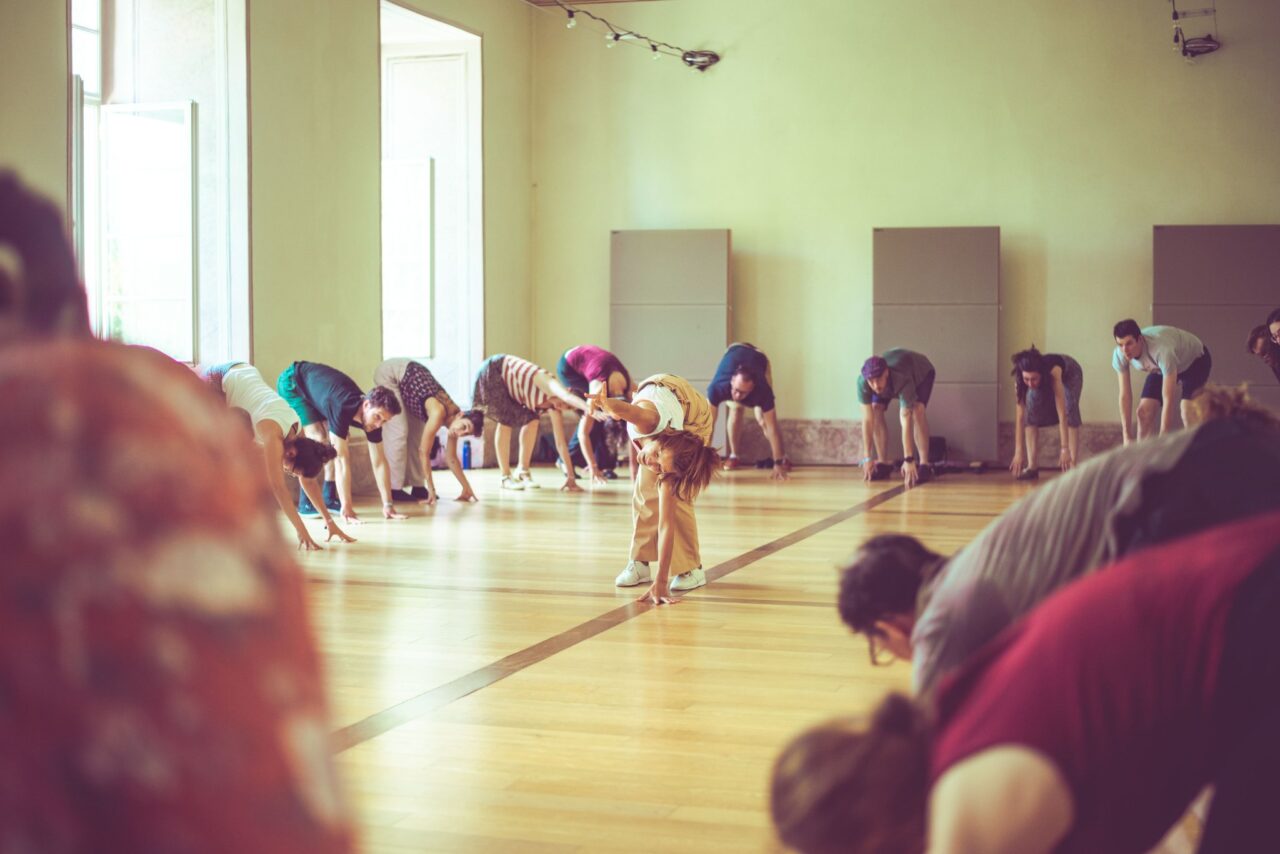
How do I structure my “typical” class?
I love to use my first 10–12 minutes for a non-stop dancing experience. It’s a warm-up, but not just a warm-up—it’s a full movement journey. For me, it’s all about getting into the body and feeling the body.
I guide people from shamanic shakes and releasing the voice… to Latin moves… to African movement… and then finally, descending into jazz music and jazz movement. After three songs, we dive into a non-stop jazz dance-off.
Ten minutes later, I have alive, vibrant, present, smiling, sweaty people—ready to soak up and receive new material into their bodies.
For the second block, it all depends on the theme of my class. It might be a movement concept, or an improvisation idea. Here’s where we focus: a bit of explanation, some targeted drills—starting slow and gradually raising the involvement of the body.
The final stage is pure dance. Whatever we worked on and discovered, we now put into practice. If we want to learn how to dance, we’d better dance.
Close up with a cool down, bringing people back from the journey and preparing them to go about their life 🙂
Rule #3: Keep People Moving 90% of the Time
Dance is a physical art form — students come to move, not to watch you talk.
I keep my verbal explanations short, using demonstrations and rhythm to teach concepts.
Even when I cover theory, musicality, or history, I immediately bring it into the body — so students are feeling it, not just hearing it.
Want to learn how to dance? Dance!
If you want to learn how to dance, you need to dance. In my classes, I want people moving about 90% of the time.
Rule #4: Let The Body Auto-Correct
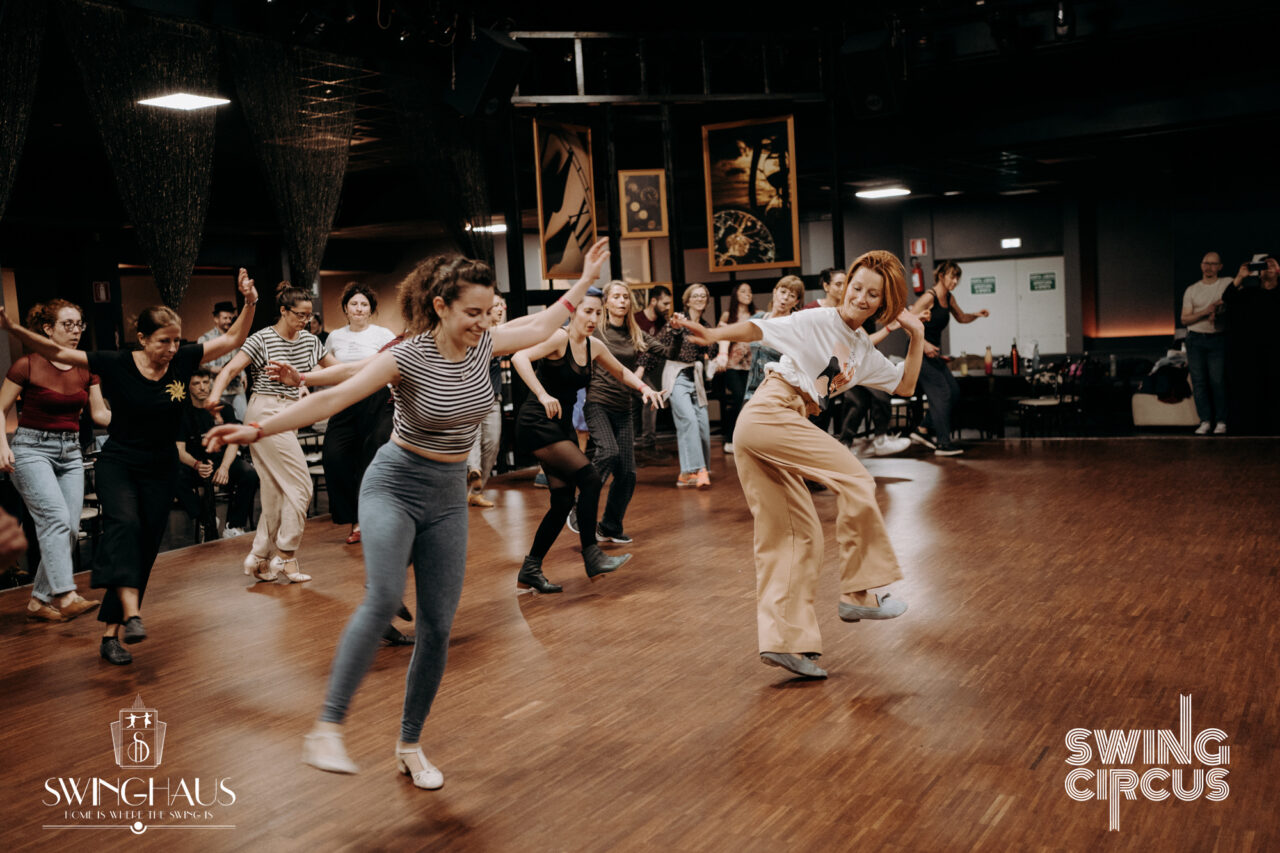
I don’t rush to correct after the first try. Instead, I give students a full song to embody the movement before stepping in.
Often, the body naturally adjusts once it’s had the chance to experiment. I see my role as planting seeds and guiding attention — rather than flooding students with too many corrections too soon.
“People can only truly process one correction at a time.”
One of the biggest lessons I learned is that too many corrections overwhelm students. The brain can’t store it all, and the body won’t know where to begin. The result? They freeze.
So pace your feedback. If something is common to the whole room, address everyone at once and try it in the body immediately. If it’s personal, offer it quietly — with no demand for an instant “fix.”
I might say:
- “Try this next time…”
- “Follow me for a few beats…”
💡 Ask yourself:
- What is the most necessary comment I can give my students to improve right now?
- What can wait until later?
The amazing thing is that many details sort themselves out if you simply let people dance the movement for a full song — sometimes two
The nervous system is clever; it adapts naturally when given time to play, repeat, and experiment.
If you really want to be heard, gather everyone together and use intonation, pauses, and storytelling to deliver the single most important idea you want them to take away from the class.
Always keep your tone warm and encouraging. Students are not here to be “fixed” — they’re here to explore.
“Rather than micromanaging every second, create the right conditions for improvement — fewer, clearer corrections, and more freedom to discover.”
Rule #5: Move the Room
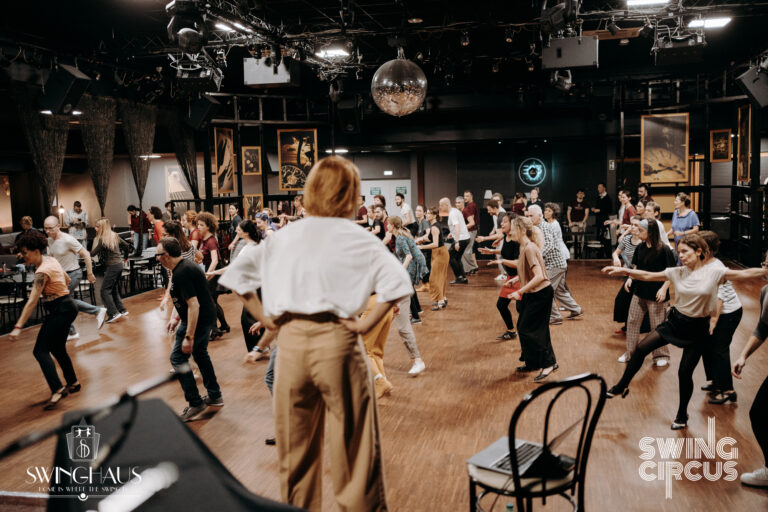
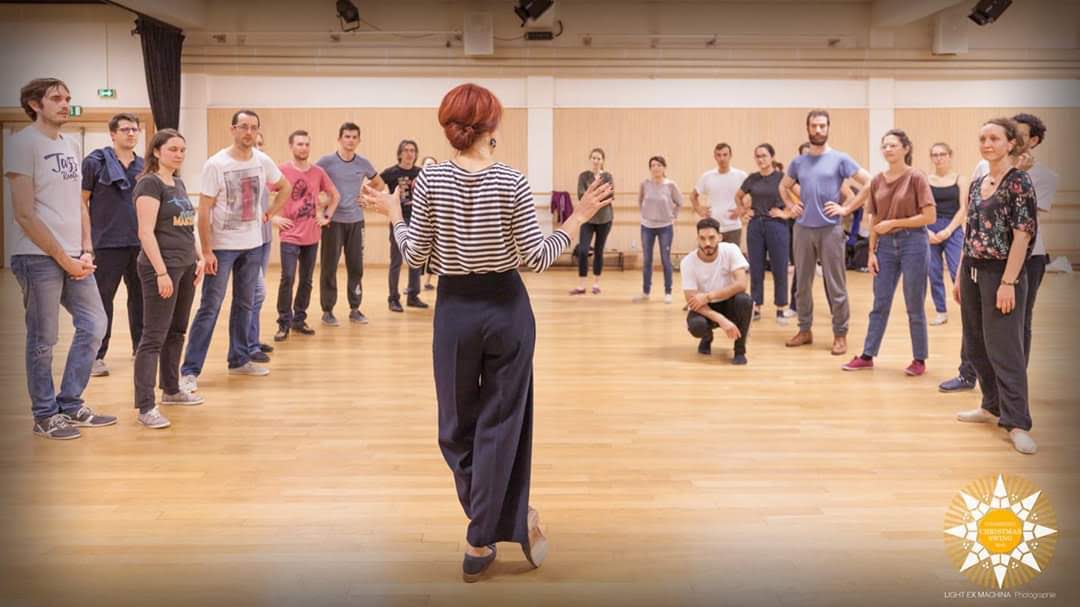
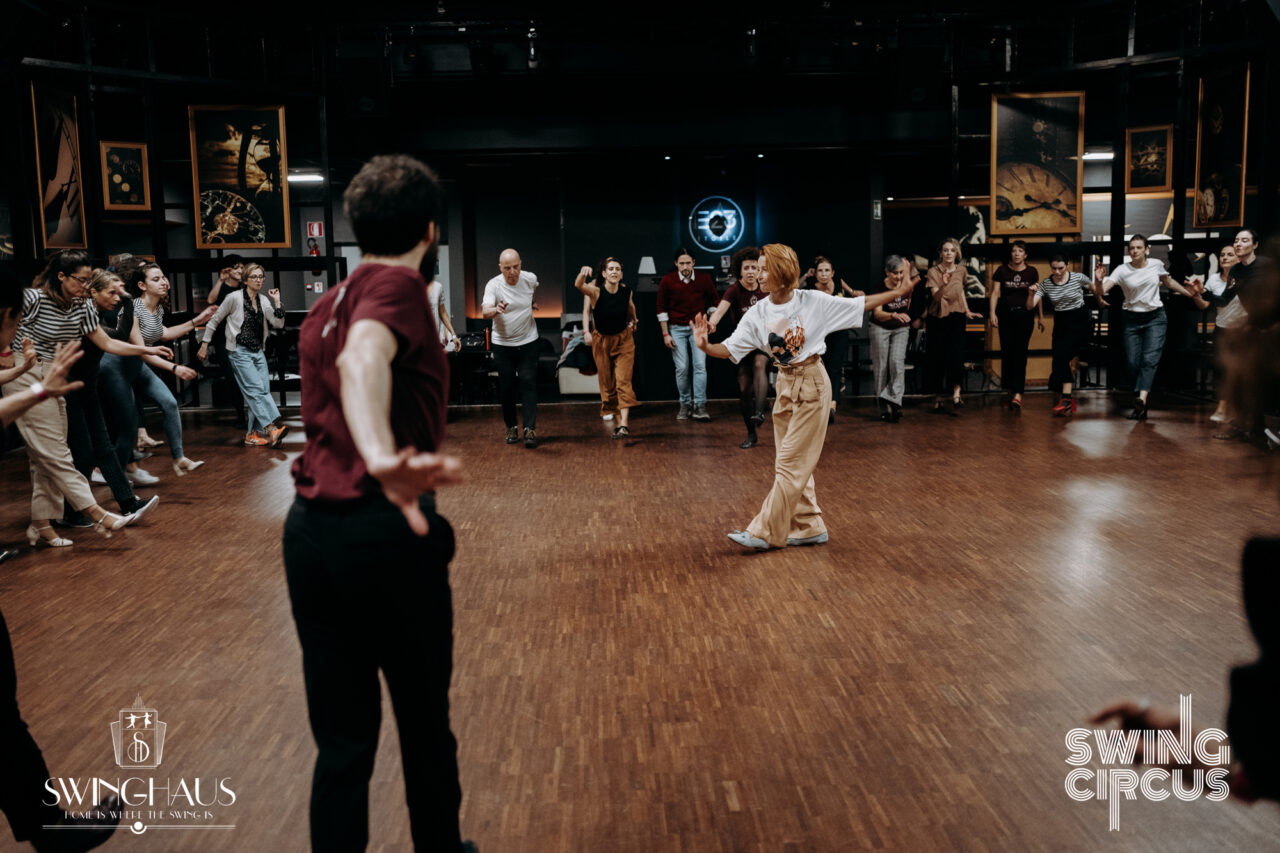
Don’t keep people in one spot. Change formations, face different walls, dance in circles, use diagonals, and sometimes let a little “structured chaos” happen. This helps students break habits, use space creatively, and stay alert.
Rule #6: Care for the Space
Your environment is also responsible for the flow of the class. It’s about atmosphere. Sometimes your students will lose attention—or even drop out—simply because of aspects that have nothing to do with you or the material you are teaching.
Pay attention to:
- Sound levels – Music should fill the room but not overwhelm. Watch out for harsh high-pitch sounds or badly mixed tunes. Rooms with poor sound treatment can tire people very quickly.
- Air circulation – Fresh air keeps the energy up.
- Light – Warm and inviting.
- Floor type – Safe, smooth, and danceable. Concrete floors will literally “kill” your and your students’ bodies. It might feel okay to dance on them for one hour, but the next day your body will speak.
- Smell – Yes, it matters too 🙂
Of course, we can’t always change a room or fix the sound system. But being aware of these conditions helps you manage the energy of your students. Sometimes just calling out the elephant in the room helps.
My Vision for Teaching Solo Jazz
Some time ago, I realised I set the bar very high for what I call a successful class: to move the energy and awaken the spirit.
My teaching philosophy is built around energy. Energy is contagious. If I am alive, open, and grounded, that spirit transfers into my students. The way I hold space, moving between structure and freedom, between information and embodiment, making eye contact, feeling the energy, all that shapes how people feel, blossom during the class and how they leave the class.
I see in teaching, leading a class my responsibility is not just to teach solo jazz techniques. But as well to awaken curiosity, to create an atmosphere where people feel safe to explore, and to guide them toward that rare state where the mind is quiet and the body is fully alive.
People choose to spend this hour with you — their time, energy, and attention. Its special. They could have chosen thousand other things and they chose that class with you.
In a world full of distractions, teaching Solo Jazz is not only about steps, it’s about offering a rare space where people are fully present with their bodies, their breath, the music, and each other.
If my students walk out with more joy, more confidence, and more connection to themselves than when they walked in, then I’ve done my work and that was a successful class.
And if reading this makes you curious about teaching, or deepening your own skills as a dancer, my online school Secrets of Solo is where I share the tools, techniques, and philosophy that have shaped my own journey.
Check out my blog on 6 most common mistakes and how to avoid them.